
Every network team has a story about a change that passed review, passed the maintenance-window checklist, and still took down a site. The gap is almost never a lack of diligence — it is the absence of anywhere realistic to rehearse. Digital twins close that gap by giving integration testing what software engineers have had for decades: an environment that behaves like production without being production.
What a Network Twin Actually Is
A digital twin is a software replica of your network built from real state, not from a diagram somebody drew two years ago. At minimum, it reproduces topology, device configurations, and routing state. More mature twins also model forwarding behavior, so you can ask questions like “if I shut this transit link, does branch traffic still reach the payment gateway?” and get an answer grounded in actual RIB and FIB data.
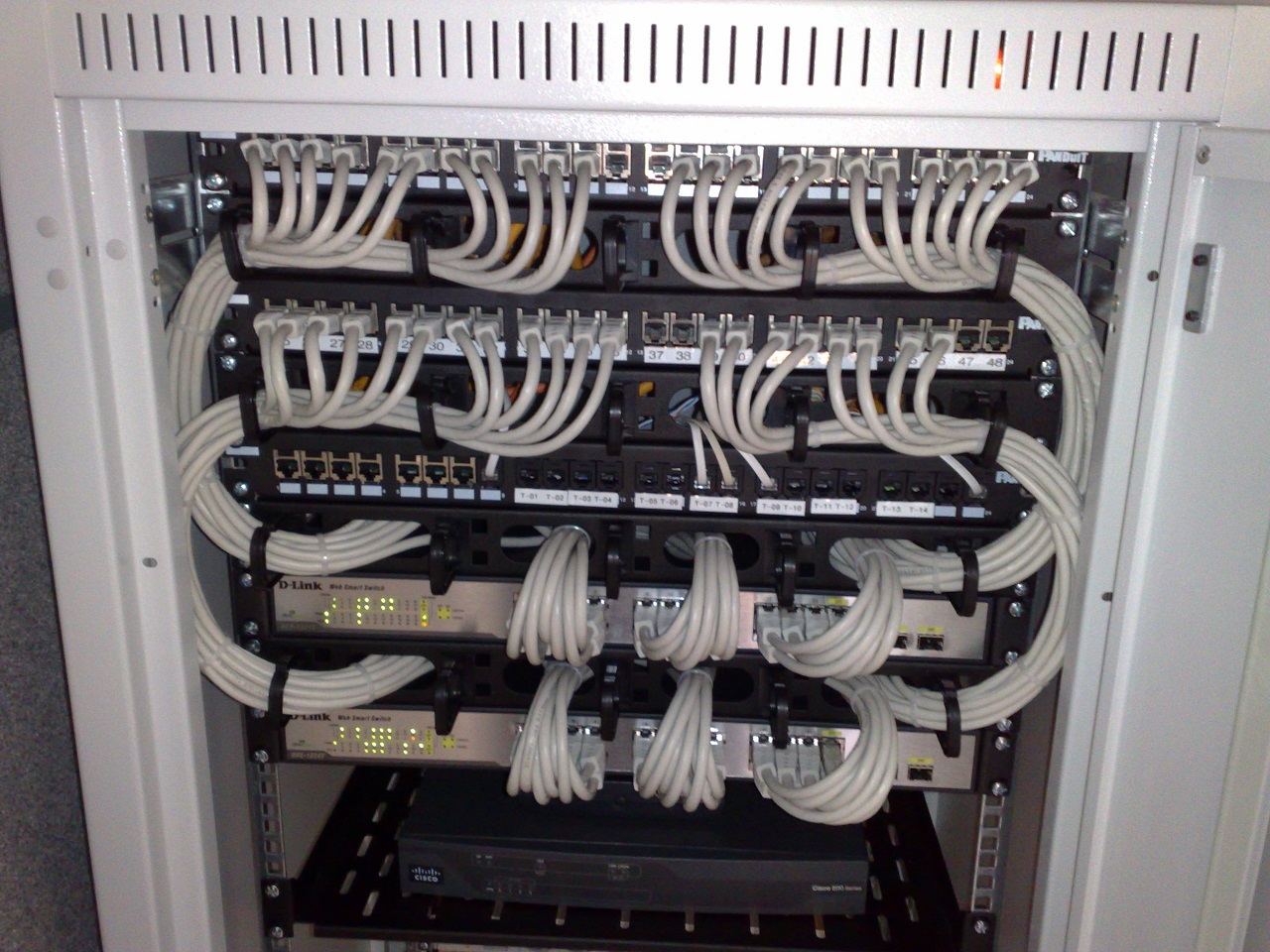
It helps to separate twins from the lab racks many teams already run. A lab is a handful of representative devices with approximated configs. A twin is generated from the live network — pulled through your source of truth, config backups, and streaming telemetry — and regenerated whenever the network changes. The moment a twin drifts from production, it stops being a twin and becomes another stale lab.
Where Twins Earn Their Keep
The obvious use case is pre-change validation. Before a BGP policy edit rolls out, you apply it to the twin and verify route propagation, path selection, and failover behavior across the modeled topology. Changes that once required a nervous 2 a.m. window become a pipeline stage that runs in minutes.
Less obvious, and often more valuable, is integration testing across team boundaries. When the firewall team modifies a policy set and the WAN team reworks overlay routing in the same week, nobody sees the combined effect until production does. A twin lets you merge both intents into a single simulated state and evaluate them together — the same way application teams merge feature branches and run the full test suite.
- Pre-change validation of routing and security policy edits before any device is touched
- Failure-mode rehearsal: link cuts, device loss, and route withdrawal scenarios on demand
- Cross-team integration checks when multiple changes land in the same window
- Reachability regression suites that run continuously against refreshed network state
Building One Without Boiling the Ocean
Teams stall when they try to model everything at line-rate fidelity on day one. Resist that. Start with a control-plane twin of one failure domain — a data center pod, a regional WAN segment — sourced from configs and routing tables you already collect. Containerized network OS images from major vendors make it practical to stand up dozens of virtual nodes on modest compute, and config-derived formal models can validate reachability without emulating packets at all.
Fidelity should follow the questions you ask. Verifying that a route-map change will not blackhole a prefix needs control-plane accuracy, not nanosecond-true buffer behavior. Save data-plane emulation for the narrow cases that justify it, such as QoS policy validation, and be honest in your reports about what each layer of the twin can and cannot prove.
A digital twin is only as trustworthy as the pipeline that keeps it synchronized with reality.
That synchronization pipeline is the real engineering work. Automate the ingest: nightly config pulls at minimum, event-driven refresh from your source of truth if you can. Treat twin drift as a monitored condition with its own alerting, because a stale twin silently converts every green test result into false confidence.
The Cultural Payoff
The technical wins are easy to list, but the deeper change is behavioral. When engineers can rehearse a risky migration five times before touching production, change reviews shift from opinion battles to evidence reviews. Junior engineers explore failure scenarios that would be career-limiting to trigger on real hardware, and they build intuition years faster.
Twins also give network teams a shared artifact with the rest of the organization. When the platform team asks “what happens to our east-west traffic during your migration,” you can show them, not reassure them. In an era where the network is expected to keep pace with weekly application releases, that ability to demonstrate rather than promise is what earns infrastructure teams a seat in the delivery pipeline instead of a veto at the end of it.